
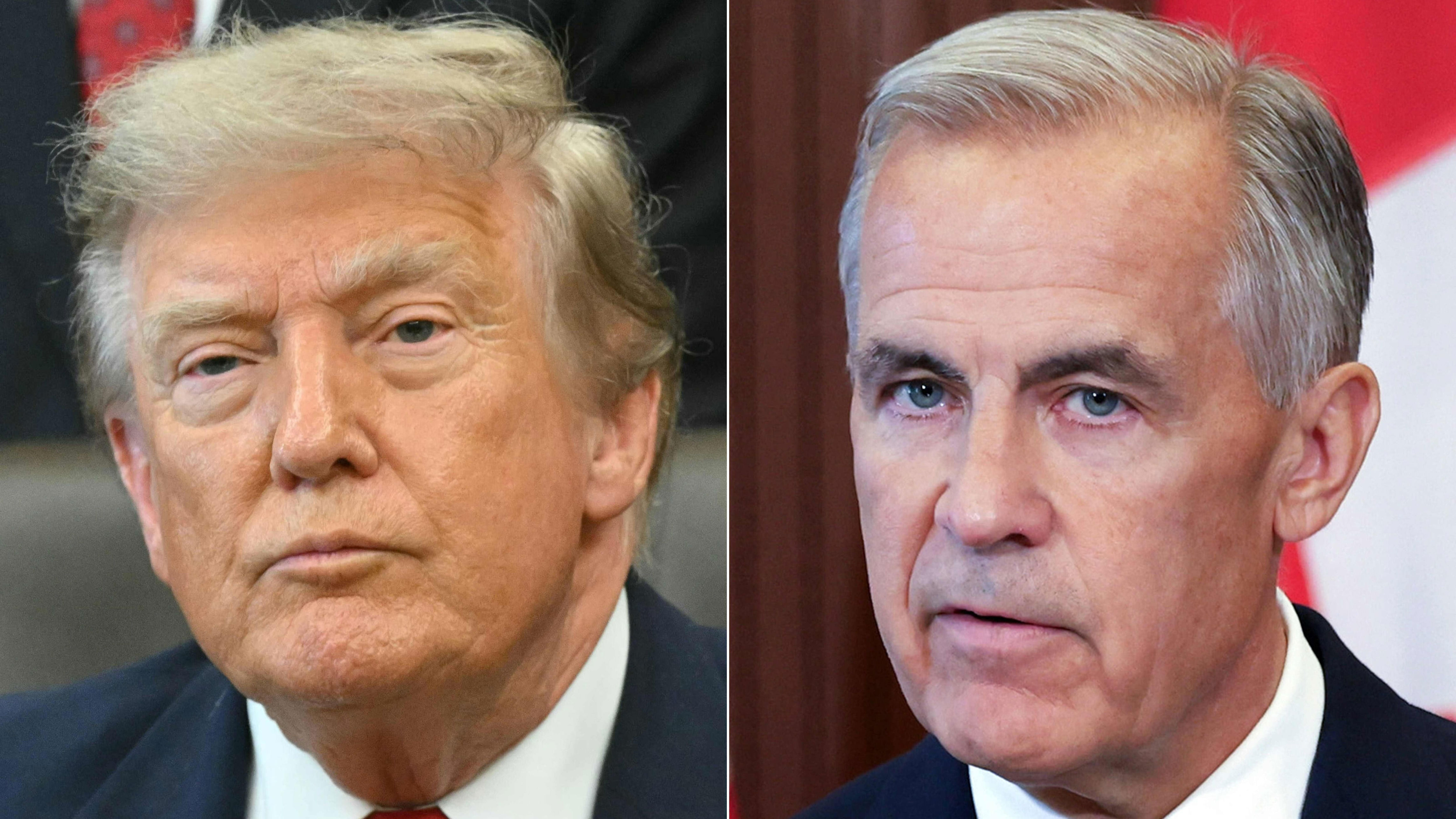
In response to U.S. President Donald Trump’s imposition of 50% tariffs on Canadian products, the Canadian government announced retaliatory tariffs of up to 50%, escalating the conflict. As Canada, ranked 10th globally (based on IMF-announced GDP figures), effectively engages in an economic war against the U.S., the world’s largest economy, global attention, including from the EU (European Union), is focused on the situation. Canada stated it will enforce the tariffs immediately after the Labor Day holiday next month, when the November midterm elections will begin in earnest. This clearly signals Canada’s intent to target the Trump administration’s biggest weakness—the midterm elections—where it must retain its majority in both the House and Senate ahead of the 2028 presidential election.
◇ Timing and Targets of Tariffs Aligned with Midterm Elections
In response to the U.S. imposing 50% tariffs on $20 billion worth of Canadian products on August 22, Canada decided to impose differential tariffs of 15–50% on $20 billion worth of U.S. imports starting September 8. The targeted items include over 700 categories such as steel, aluminum, seafood, and clothing, accounting for 4.5% of Canada’s total U.S. imports (based on 2024 figures). Canadian Prime Minister Mark Carney, when announcing the retaliatory tariffs, did not say "September 8" but instead referred to it as "the Tuesday following Labor Day (September 7)." After Labor Day, approximately eight weeks remain until the November elections. In the U.S., Labor Day is traditionally seen as the start of the "final election campaign." This is interpreted as Canada’s intention to disrupt the midterm elections by imposing large-scale tariffs.
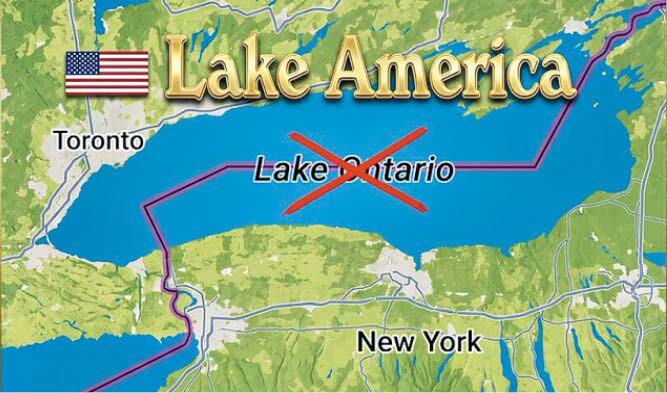
Canada stated it will impose higher tariffs primarily on products produced in key battleground states that could influence the midterm election outcomes. Representative swing states (competitive states) include Wisconsin, Michigan, Ohio, and Maine, all of which share borders with Canada and have thriving industries exporting seafood, automotive parts, lumber, and other goods. Higher tariffs will affect sales of these regional products, ultimately reducing residents’ incomes and influencing their voting behavior. For instance, Maine, located in the northeastern U.S. and bordering Canada, will face direct impacts on its largest exports—lobster, blueberries, and lumber—due to Canada’s tariffs. The Wall Street Journal (WSJ) noted, "Nearly 200 seafood items are subject to Canadian tariffs, putting political pressure on Maine." Consequently, Senator Susan Collins of Maine publicly opposed the Trump administration, stating, "Imposing tariffs on Canada is a mistake."
◇ U.S. Democrats Targeting Competitive States
Currently, the Republican Party holds 53 seats in the U.S. Senate, narrowly leading the Democratic Party, 45 seats. To maintain their majority in the November elections, where one-third of Senate seats are up for grabs, winning in competitive states is crucial. During a press conference on August 24, Carney pointed out, "(The 50% tariffs) will send a message to workers in Michigan, Ohio, Kentucky, and Alabama, who depend on Canadian demand," noting that Trump’s tariffs will reduce jobs in the U.S. automotive industry and elsewhere.
In reality, Democratic candidates are intensively criticizing Trump’s tariff policy. Abdul Ensayed, the Democratic candidate for Michigan’s U.S. Senate seat, criticized, "Trump is escalating the trade war with Canada out of his own vanity." It is reported that Canada accounts for over 36% of Michigan’s total overseas goods exports. Troy Jackson, the Democratic Senate candidate from Maine, who previously worked as a logger, stated, "Troy spent his entire life working along the Canadian border, so he understands how crucial the relationship between the two countries is to Maine’s economy." Eric Miller, head of the trade consulting firm Lido Potomac Strategy in Washington, D.C., told the WSJ, "(Canada) is pressuring Trump by targeting businesses in fiercely contested districts or solid Republican constituencies."
◇ Canada May Face Backlash from Retaliatory Tariffs
However, there are also criticisms that the burden of retaliatory tariffs will significantly impact Canadian consumers and businesses, given that the U.S. and Canadian economies are closely interconnected through supply chains across major industries. Royce Mendes, an economist at Desjardins Capital Markets, a Canadian financial firm, stated, "Retaliatory tariffs could raise Canada’s already high 3% inflation rate by 0.2 percentage points." Since Trump has set January 1, 2025, as the effective date for increased tariffs on automobiles, auto parts, steel, and other goods, there remains room for compromise between the two countries. Canadian Trade Minister Dominic LeBlanc told CNBC, "Our preference was to find an agreement beneficial to both countries," adding, "We still believe a deal is possible."
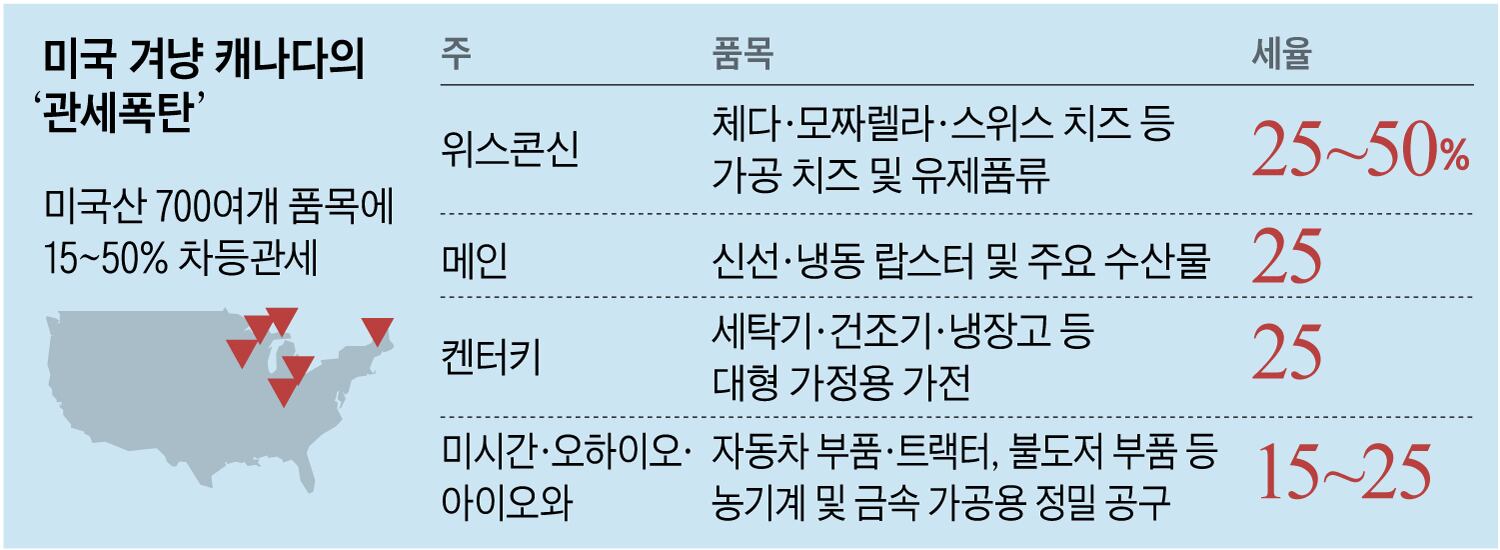
The Trump administration downplayed the significance of the retaliatory tariffs. U.S. Trade Representative Jamieson Greer stated on that day, "The U.S. economy is approximately 13 times the size of Canada’s, and its population exceeds Canada’s by over eight times. The U.S. clearly holds the ‘leverage.’" Amid this, Trump announced plans to consider renaming Lake Ontario, a large lake between New York State and Ontario, Canada, which serves as a border, to "America Lake." This measure accounts for Ontario’s role as the vanguard of Canada’s opposition to U.S. tariffs.
- 월 5900원 멤버십, 신문 독자에게는 2900원, 조선멤버십
- 55000원 상당의 신문-잡지 8종 마음껏 보기, 조선멤버십
- 현금처럼 쓸 7000포인트 받아 알뜰한 쇼핑, 조선멤버십
Post a Comment